
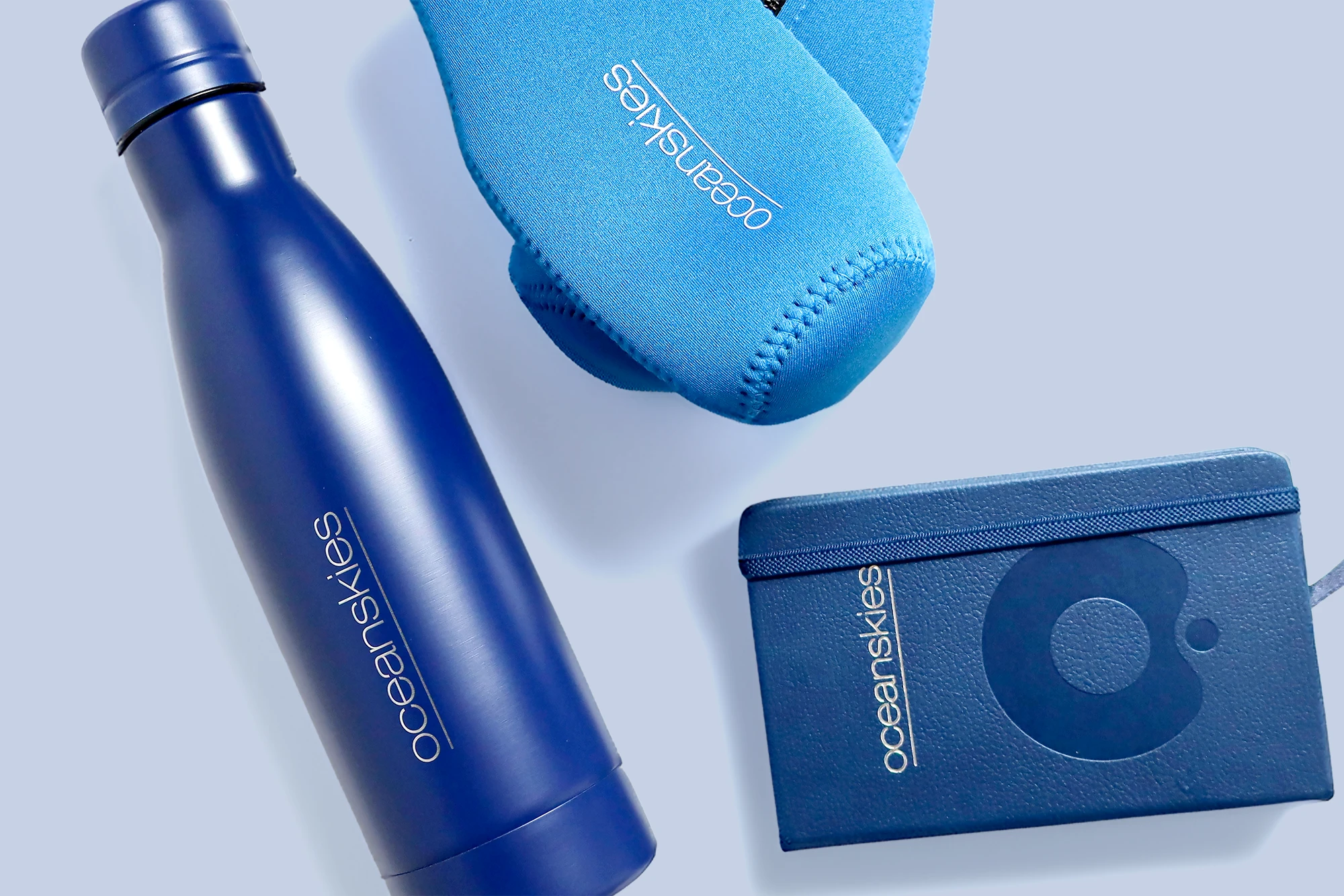
Ever wondered how some brands just seem to be absolutely everywhere? You see them not just in digital ads or on billboards, but subtly integrated into daily life – on your favourite coffee mug, the pen you instinctively reach for, or that comfortable t-shirt you wear on weekends. That is the quiet, consistent power of branded merchandise!
But let’s be clear: branded merchandise is far more than just promotional “swag” or disposable giveaways. It’s a tangible, impactful extension of your brand identity, giving your business a physical presence in the world that digital screens simply can’t replicate.
This guide is here to demystify exactly what branded merchandise is all about. We’ll briefly touch on its incredible benefits, and then we’ll walk you through a clear, practical, step-by-step process for planning, designing, producing, and effectively distributing your very own branded products.
What Exactly Is Branded Merchandise?
So, let’s get down to basics. What are we actually talking about when we say “branded merchandise”? Simply put, branded merchandise is any item that features a company’s logo, name, or design, and is used for marketing, promotion, or even internal purposes.
Now, it’s crucial to understand that this goes far beyond just “swag.” While the term “swag” often conjures images of cheap pens or stress balls handed out indiscriminately, true branded merchandise is about strategy, quality, and purpose. it’s about choosing items that resonate, are useful, and genuinely reflect your brand’s values. The goal is to create a positive, lasting impression, not just to tick a box.
To give you a clearer picture, here are some common examples of branded merchandise you’ll encounter (and might consider for your own brand):
- Apparel: This includes popular items like branded T-shirts, hats, hoodies, or even more premium items like jackets or polos.
- Office Supplies: Everyday essentials such as pens, notebooks, and sticky notes are favourites for their utility.
- Drinkware: From classic mugs to reusable water bottles and insulated tumblers, these items get used daily.
- Tech Accessories: Practical gadgets like USB drives, power banks, and phone cases are highly valued in our digital world.
- Lifestyle Items: Think broader categories like tote bags, keychains, and umbrellas, which integrate your brand into various aspects of life.

Why Should Your Brand Create Merchandise?
So, now that we’re clear on what branded merchandise actually is, let’s quickly tackle the “why.” You might be thinking, “Do I really need more items to manage?” The answer is a resounding yes, because the benefits are incredibly impactful for your brand’s growth and reputation.
First off, branded merchandise supercharges brand awareness & recall. By putting your logo on useful items, you create a physical presence for your brand in people’s daily lives. Every time they see or use that item, your brand gets another valuable impression, keeping you top-of-mind.
It’s also a powerful tool for building customer loyalty. A thoughtful, useful gift creates genuine goodwill and a deep sense of appreciation, fostering a stronger emotional connection with your brand than any digital ad ever could. It tells your customers you value them.
Internally, branded merchandise significantly boosts employee morale. Providing quality branded items fosters team unity, pride, and a sense of belonging. It makes your team feel valued and helps them embody your brand’s identity.
And, if your strategy includes retail, branded merchandise can even lead to direct revenue generation, opening up new income streams by selling desirable products that your fans want to buy.
The “How-To”: Creating Your Branded Merchandise – A Step-by-Step Guide
Alright, you’re convinced that branded merchandise is the way to go. Now comes the exciting part: actually bringing it to life! Let’s walk through it step-by-step, making sure you’re set up for success.
Step 1: Define Your “Why” & “Who”
Before you even think about designs or products, the very first and most crucial step is to get crystal clear on your purpose and your audience. What exactly do you hope to achieve with this merchandise? Are you looking to boost brand awareness at a big event, show appreciation to high-value clients, foster employee morale, generate retail sales, or perhaps drive lead generation at a conference? Your “why” will dictate every subsequent decision.
Hand-in-hand with purpose is defining your audience. Who are these items for? Will they be given to new leads, long-standing customers, your dedicated team members, or perhaps sold to the general public? Understanding your audience’s demographics, interests, and preferences is key.
This clarity will also help you establish a realistic budget for both individual items and the total project, which in turn influences quality and quantity.
Don’t forget your timeline either – when do you absolutely need these items by? This is critical for production planning.
Step 2: Choose the Right Product(s)
Once your “why” and “who” are clear, you can start brainstorming specific products. This is where you connect your purpose to a tangible item. Always prioritise audience relevance: what items would your target recipients genuinely use or desire? For a tech-savvy audience, innovative gadgets might be perfect, while an environmentally conscious client base would appreciate sustainable options.
Crucially, consider brand alignment. Does the product genuinely resonate with your brand’s values and image? A luxury brand should opt for premium items, while a quirky, fun brand might choose more playful, unique products. Think about the item’s utility and longevity; the more useful it is, the longer it will be kept, and the more consistent brand exposure you’ll gain. Ensure the item also offers sufficient and suitable “brandable” space for your logo or design.
While it’s good to be aware of current trends, don’t blindly chase them; timeless utility often yields better long-term results.
Step 3: Design Your Branding
Now for the creative part: putting your brand on the product! First, ensure you have high-resolution logo files – vector formats like AI or EPS are usually preferred for clarity – and a solid understanding of your brand’s color palette and fonts to maintain consistency.
Next, think strategically about placement and size. Should your logo be prominent, or subtle? For a premium feel, often less is more, with a smaller, elegantly placed mark.
You’ll also need to consider the design method that suits both the product and your desired aesthetic. Options include screen printing for vibrant apparel and bags, intricate embroidery for hats and jackets, elegant engraving or debossing for leather, metal, or wood, and precise printing for small or curved surfaces.
The balance between subtlety and prominence often depends on your overall marketing goal. Before any production begins, always insist on and thoroughly review digital mock-ups to visualise the final product.
A good partner (like us at Curious Vision!) will provide detailed mock-ups and expert advice on design integration to ensure your brand always looks its best. The in-house design team here at Curious Vision can create product designs using existing brand assets and corporate colours, allowing you to keep things consistent.
However, if you don’t have any existing assets that you’re happy with and you want to create brand new ones, we can do that too. We’ll work with you to create an aesthetic that you’re happy with and can use for your branding work moving forward.
Step 4: Find the Right Supplier
With your product and design concepts ready, the next vital step is finding a reliable partner to bring them to life. Rather than spending hours researching and vetting numerous companies, consider a trusted expert. Curious Vision is precisely that partner. We specialise in providing high-quality, impactful branded merchandise that aligns with your vision.
You’ll probably want to look at pricing, minimum order quantities (MOQs), turnaround times, and shipping costs. It’s worth asking for samples – ideally a blank product sample to assess quality, and if your budget allows, a pre-production sample with your actual branding applied.
We pride ourselves on clear, proactive, and responsive communication throughout the entire process.
Step 5: Consider Packaging & Delivery
The product itself is only one part of the equation; the way it’s presented dramatically impacts the recipient’s experience. Think about packaging as an extension of your brand. High-quality custom boxes, elegant tissue paper, or branded ribbons can elevate the “unboxing moment,” making the gift feel truly special.
Consider your fulfillment needs. Will you be distributing the items yourself, or would it be more efficient for your supplier to offer drop-shipping or direct fulfillment to recipients? Curious Vision offers comprehensive fulfillment services, taking the logistical burden off your shoulders.
Step 6: Distribution Strategy
Finally, your beautiful branded merchandise is ready! Now, how will it actually reach your audience? Your distribution strategy needs to be as well-thought-out as your product selection.
Consider various avenues: will you be handing them out in-person at events, trade shows, or client meetings? Perhaps you’ll be using direct mail to send them to clients/prospects.
For internal use, simple employee distribution as part of welcome kits or team gatherings works well. Some brands even choose to sell their merchandise directly to customers through an online store, creating a new revenue stream.
Don’t forget to implement a system for tracking and inventory management to ensure you know what you have, where it’s going, and when you need to reorder.
Key Considerations for Success
To truly hit a home run with your branded merchandise, keep these essential factors in mind:
- Consistency: Ensure your branding is absolutely consistent across all merchandise and, crucially, with all your other marketing materials. This reinforces a unified brand identity.
- Utility & Quality First: Always prioritise a product that is genuinely useful and well-made over something merely novel or cheap. Quality reflects quality onto your brand.
- Storytelling: Can the product tell a unique story about your brand, its mission, or its values? This adds depth and meaning beyond just a logo.
- Measurement: While hard ROI can be tricky, think about how you’ll gauge success. This could involve tracking feedback, monitoring social media mentions, assessing lead generation numbers at events, or observing boosts in employee morale and client retention.
Curious Vision is the UK’s leading brand merchandise company. We create promotional products with a twist that disrupt, inspire and make people take notice. If you want to talk to our team about how we can step up your marketing game with merchandise, give us a call today!